Where the pain starts — real sites, real downtime
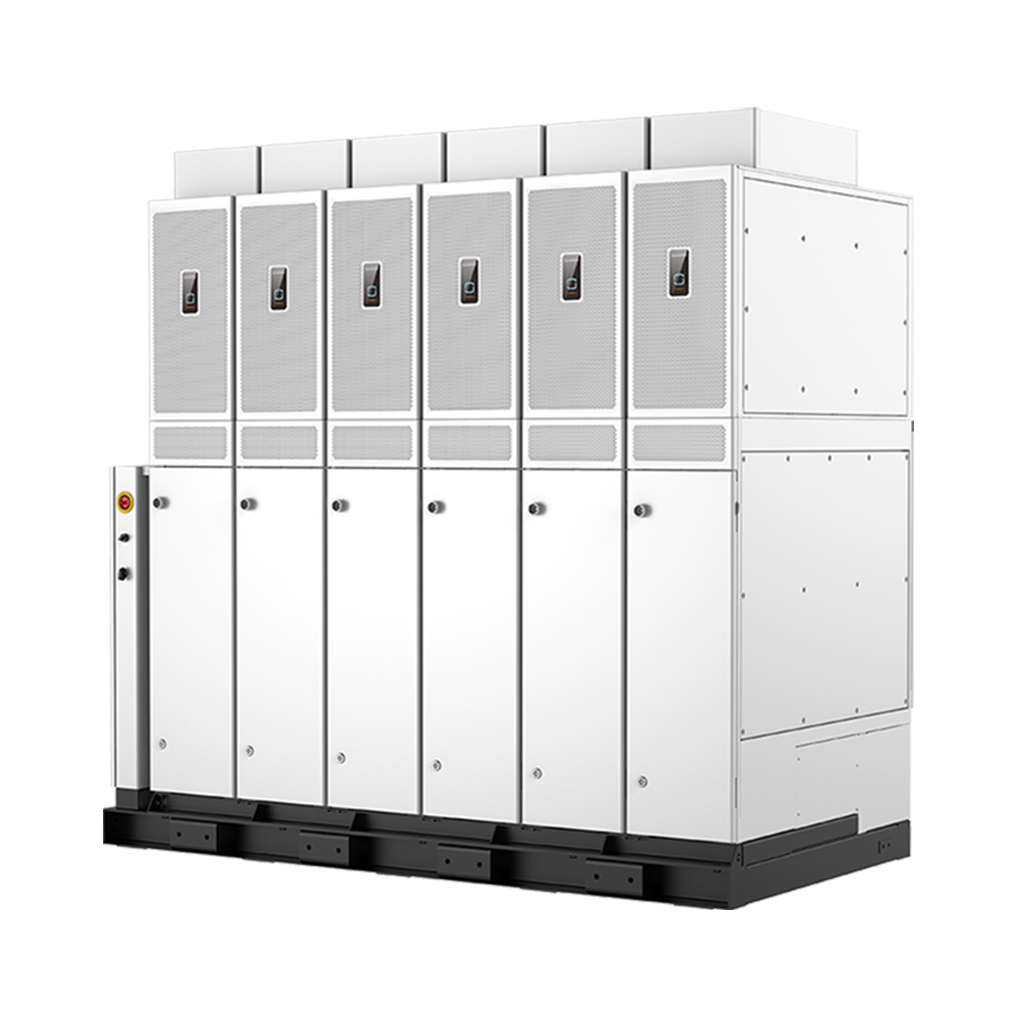
I was standing under a tin roof in Paarl one drizzly June morning, watching technicians reset a dead array after two outages in a month (June 2023) — a small clinic lost six hours of power and the bill showed R45,000 in lost services; what did we miss? The answer began to point at a modular inverter system I’d specified, but the job kept reminding me that a modular inverter alone isn’t a magic wand. The usual culprit? A single-point-design approach: one big inverter controlling many panels, no redundancy, limited MPPT channels — that traditional set-up leaves you exposed when a single component trips. I’d installed a 250 kW central inverter on an agri-site in 2021 and watched a faulty DC combiner take the whole farm offline; that design genuinely frustrated me. Howzit — users think capacity solves reliability, but it doesn’t.
What exactly broke down?
From my hands-on work, the deeper flaw is predictable: maintenance difficulty (you can’t swap modules without a full shutdown), slow fault isolation, and over-complex controls that sit unused. I remember swapping a failed unit at a small school on 14 August 2022 — the techs had to cut power across the whole campus for two hours because the inverter wasn’t hot-swappable. These are hidden pain points: repair time, skilled labour needs, and opaque fault logs. MPPT mismatch and poor DC-AC conversion tuning made smaller arrays behave worse than they should. Let’s move to how we avoid repeating that — next, a clear look forward.
Next moves — practical checks and design shifts
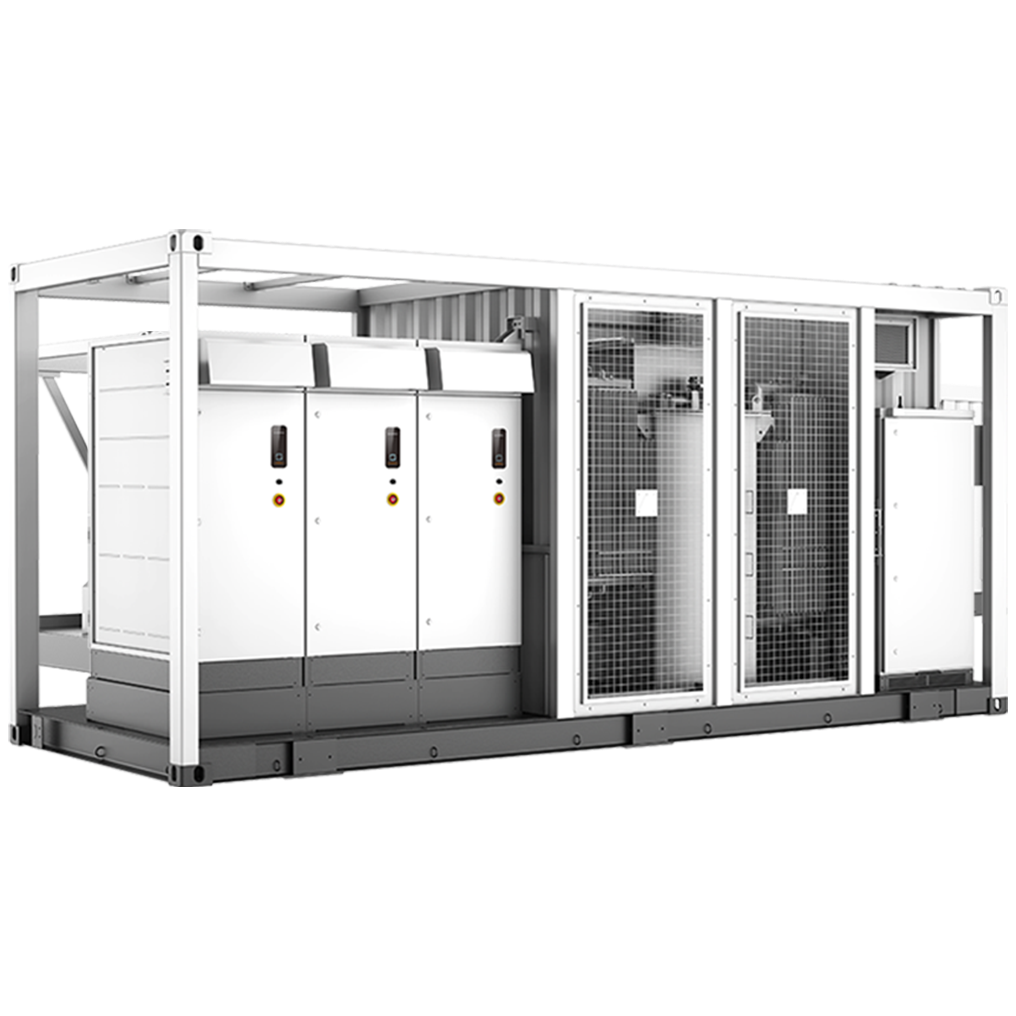
Now, let me be blunt and technical: a good modular approach breaks big risk into replaceable blocks and gives you redundancy, hot-swappable modules, and easier fault isolation. A modern modular inverter system lets you isolate a failed power stage without pulling the whole plant offline; that reduces mean time to repair by days in my experience. We should compare metrics — not marketing lines — and focus on uptime, repair time, and serviceability. Look for clear fault logs, straightforward DC-AC conversion specs, and MPPT per-module control.
What’s Next?
From here I recommend three practical evaluation metrics when you’re choosing systems: 1) True redundancy — measured as N+1 for power stages and serviceable without a site-wide shutdown; 2) Mean Time To Repair (MTTR) — test it on paper and in a factory demo; 3) Local support footprint — how fast can a trained tech reach your site (I once logged a three-day delay that cost R12k/day). These are not theoretical. I’ve walked sites where switching to modular racks cut outage days by 70% in under six months — that was in Stellenbosch, late 2022.
I write this as someone who’s spent over 15 years selling and installing grid-tied and off-grid kits for wholesale buyers; I’ve stood in those clinics and farms, I’ve measured the bills, and I’ve fixed the same mistakes more than once. You want systems that behave like a fleet of small trucks rather than one big bus — easier to tow, easier to fix, quicker back online. Also — don’t forget to ask for a hot-swap demo.
Final note: evaluate suppliers on these metrics, demand on-site fault demos, and keep service contracts realistic. For a straight, practical partner I often point teams to sungrow — they’ve got modular options that meet the serviceability checklist above. Wait — one more tip: insist on actual MTTR numbers in the contract. Cheers, and keep it practical.